Lithium Battery or Lead Acid Battery

Lithium Battery or Lead Acid Battery ?
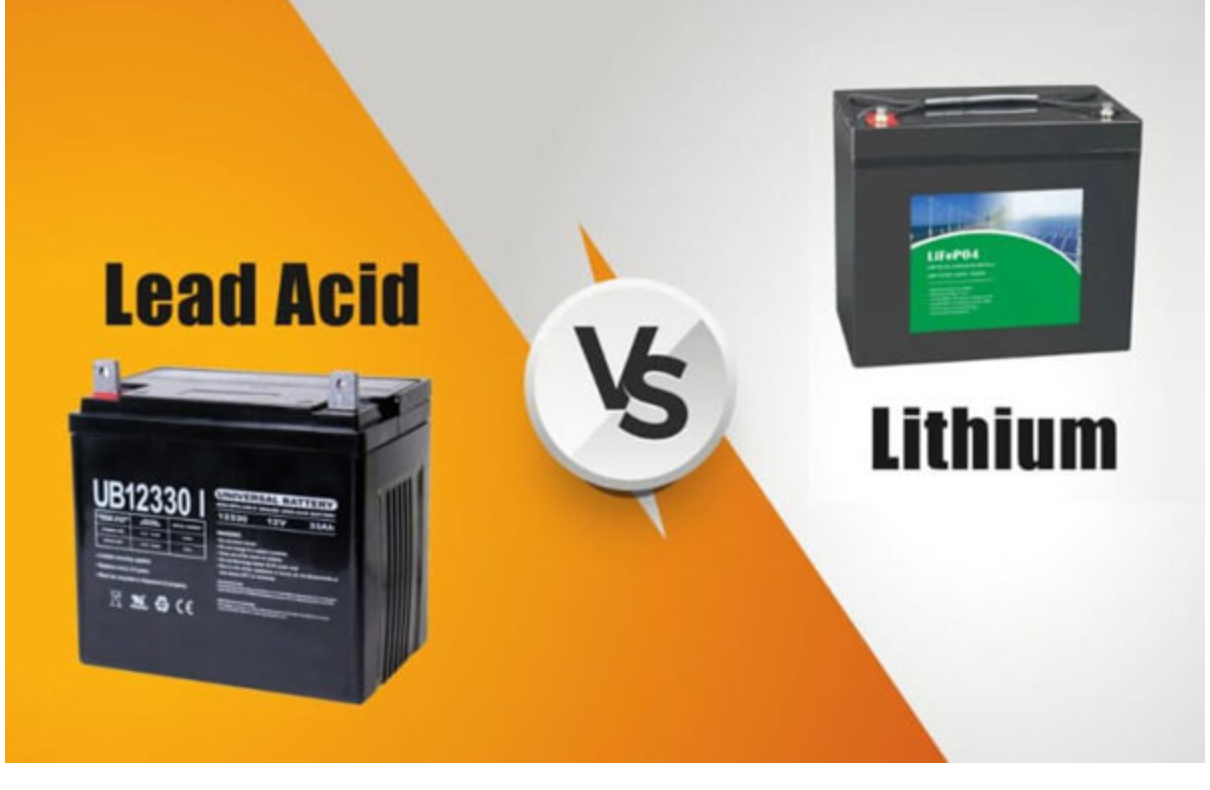
In the field of forklift applications, electric forklifts are becoming increasingly popular. So, when it comes to choosing a power source, should we opt for lithium batteries or lead-acid batteries?
Before 2021, the Chinese market was still dominated by lead-acid batteries, attracting many customers with their mature technology and low cost. Replacement is also convenient, as batteries can be purchased locally based on size and weight. However, due to the nature of lead-acid batteries, they emit acid mist, which is not environmentally friendly, and their maintenance is more cumbersome. After daily operation, they require 9–10 hours of charging, followed by the replenishment of distilled water. The efficiency of the battery also gradually declines with age, and the warranty for lead-acid batteries in China is mostly only one year.
With the widespread adoption of electric forklifts, lithium batteries have gradually entered the market. They have quickly become the preferred choice for modern, high-intensity logistics operations. Their advantages, such as being maintenance-free, fast charging, environmentally friendly, and having a longer cycle life, are helping them gain market share. However, the cost of lithium batteries is relatively high, and the requirements for battery cells and the Battery Management System (BMS) are extremely stringent. Therefore, when choosing lithium battery forklifts, extra attention must be paid to the battery brand.
The lithium battery forklifts provided by Epexlift use domestic brand cells, such as CATL, EIKTO, EVE, etc., ensuring quality assurance. If you have any needs, please feel free to contact Epexlift.
